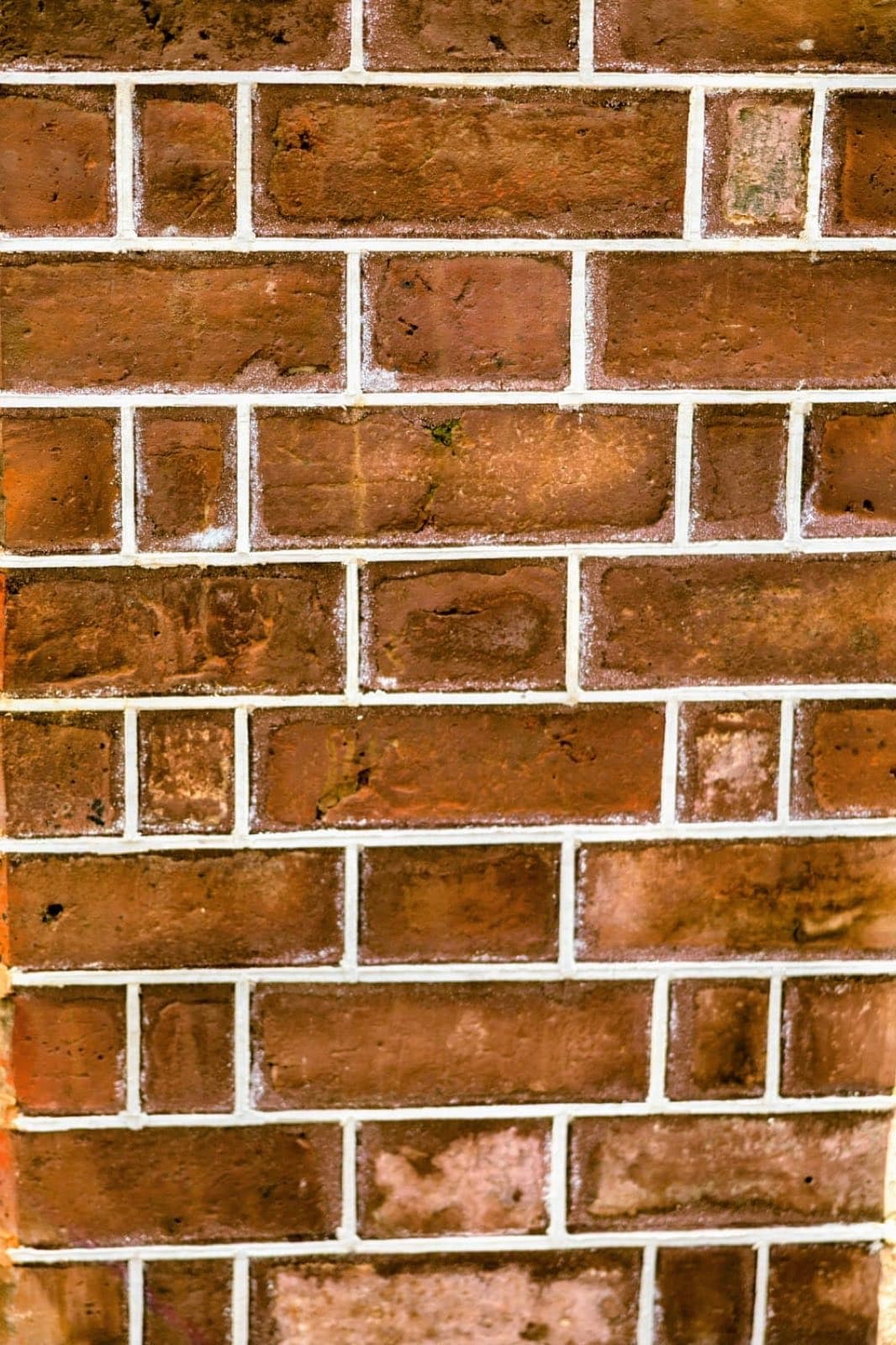
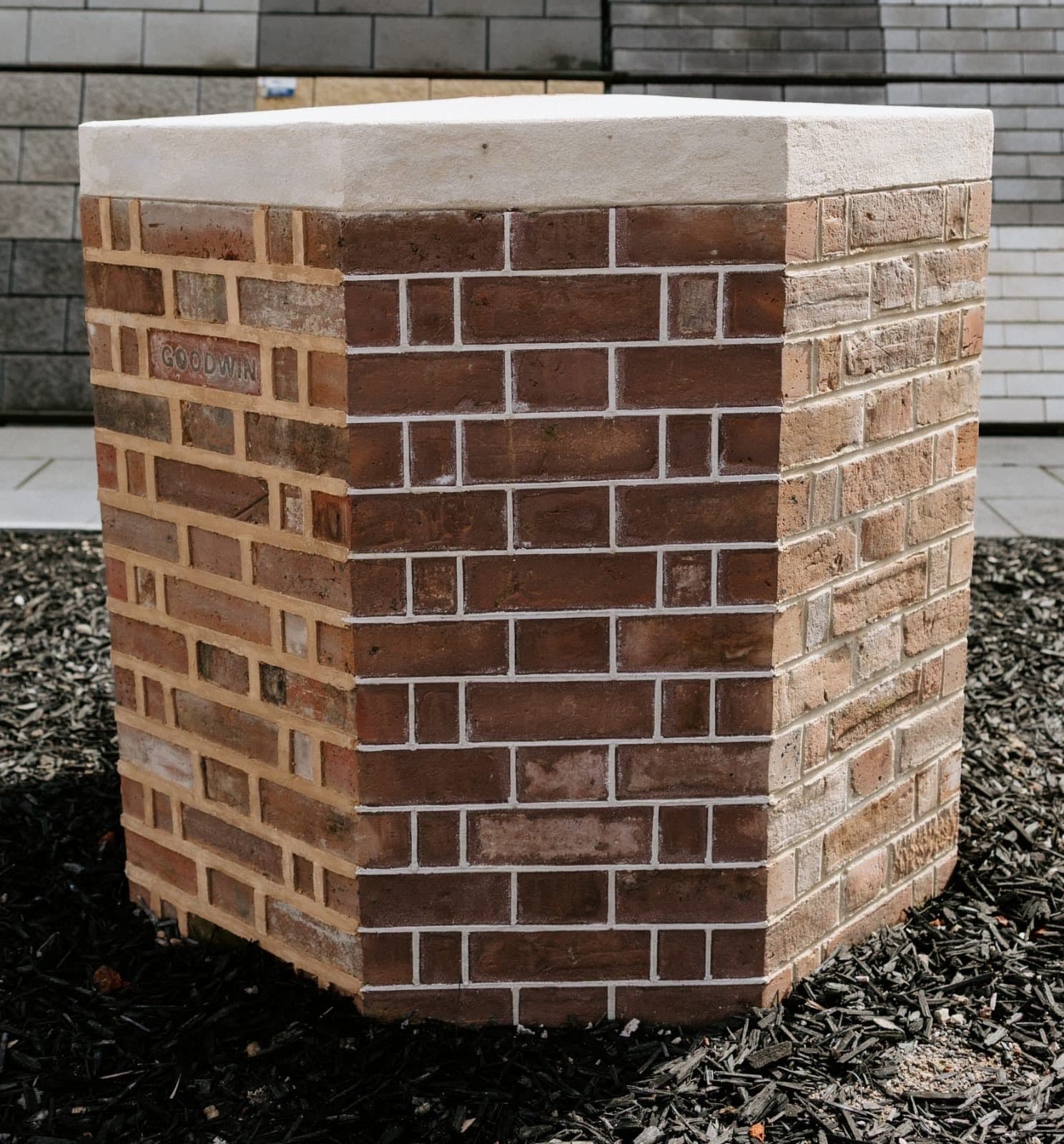
A coloured base mortar finished flush with the brick face, then a fine ribbon of contrasting lime set into a cut groove. The illusion is a wall of perfectly gauged brick, with joints finer than any bricklayer could truly lay.

Specialist tuck pointing for heritage homes, period buildings, and premium residential masonry, delivered in collaboration with Melbourne's finest tuck pointing specialists.
Tuck pointing is the fine art of applying a narrow mortar ribbon over a flush-coloured base coat to create the illusion of fine, precise joints. It is a defining feature of high-quality heritage brickwork in Victorian and Edwardian homes.
Goodwin Bricklaying delivers tuck pointing in partnership with specialist subcontractors, ensuring the same standard of precision and period accuracy that defines all of our work.
The profile of a mortar joint decides how a whole wall reads: how it catches the light, how it sheds water, and whether new work disappears into old. These are the profiles we cut and finish, each worked on a sample pier built for the purpose and shown twice: once in close detail, once in the round.
A coloured base mortar finished flush with the brick face, then a fine ribbon of contrasting lime set into a cut groove. The illusion is a wall of perfectly gauged brick, with joints finer than any bricklayer could truly lay.
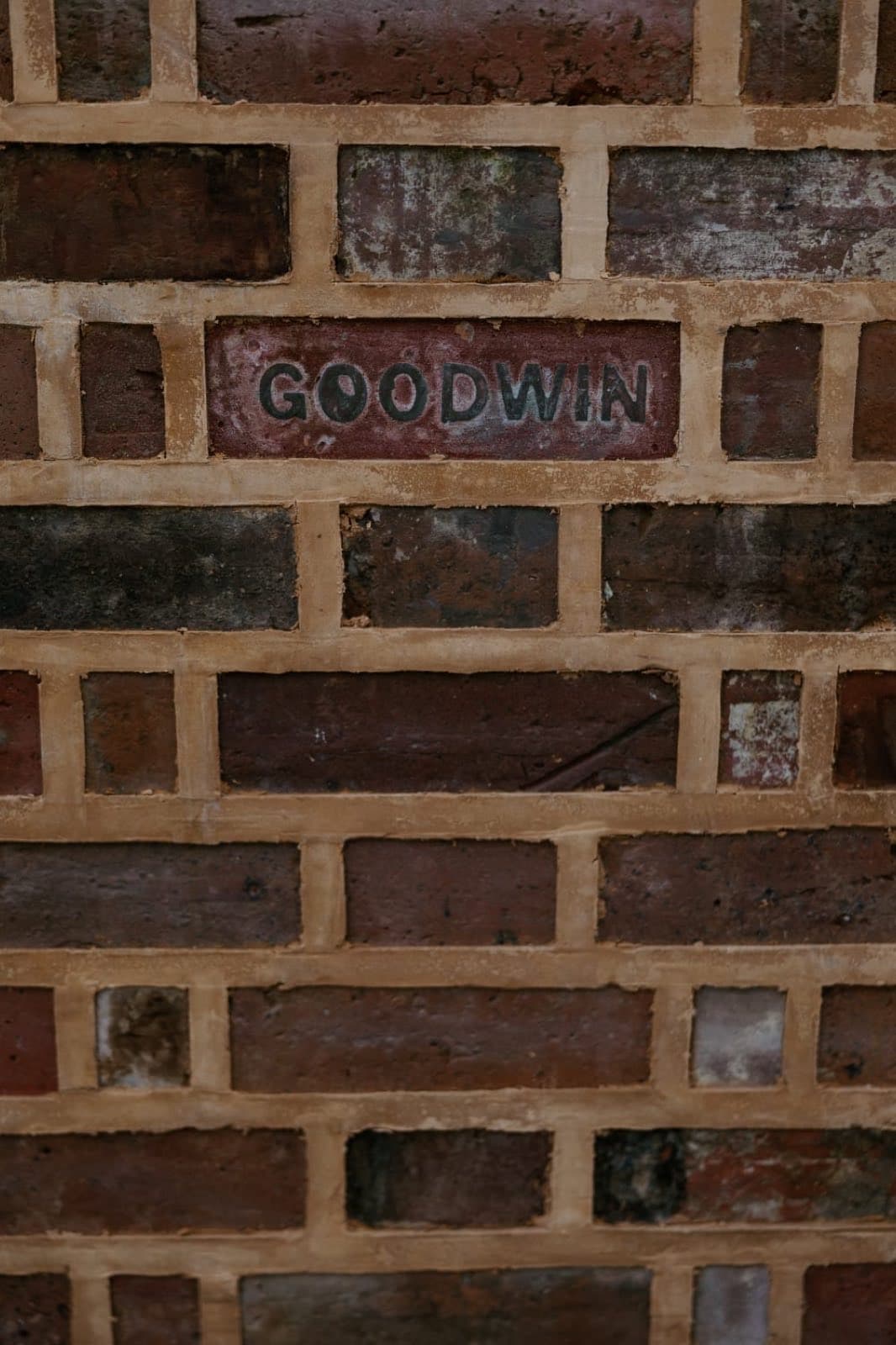
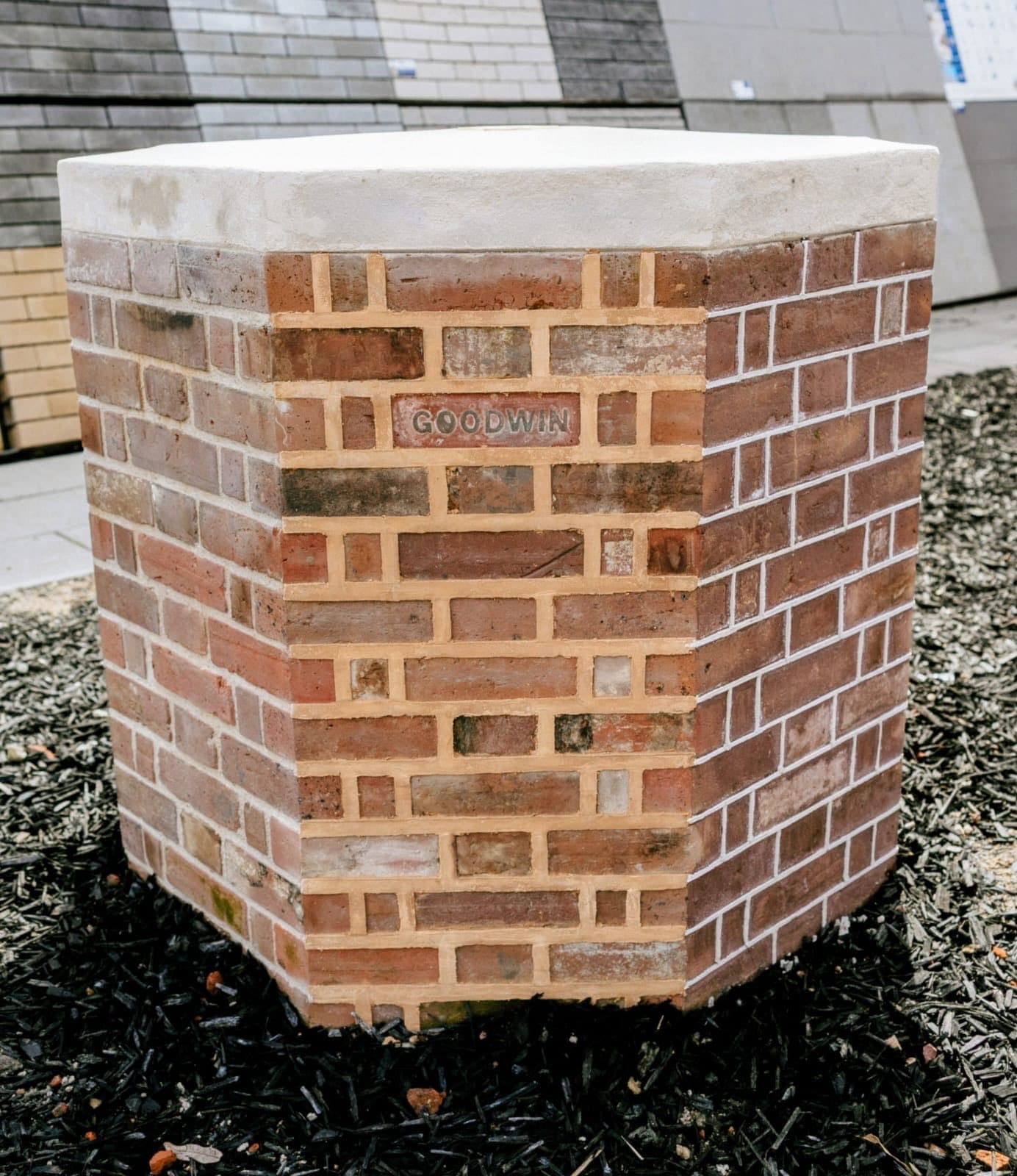
A flat band of mortar stood slightly proud of the brick face and cut straight along both edges. Bold and graphic, and unmistakable from the far side of the street.
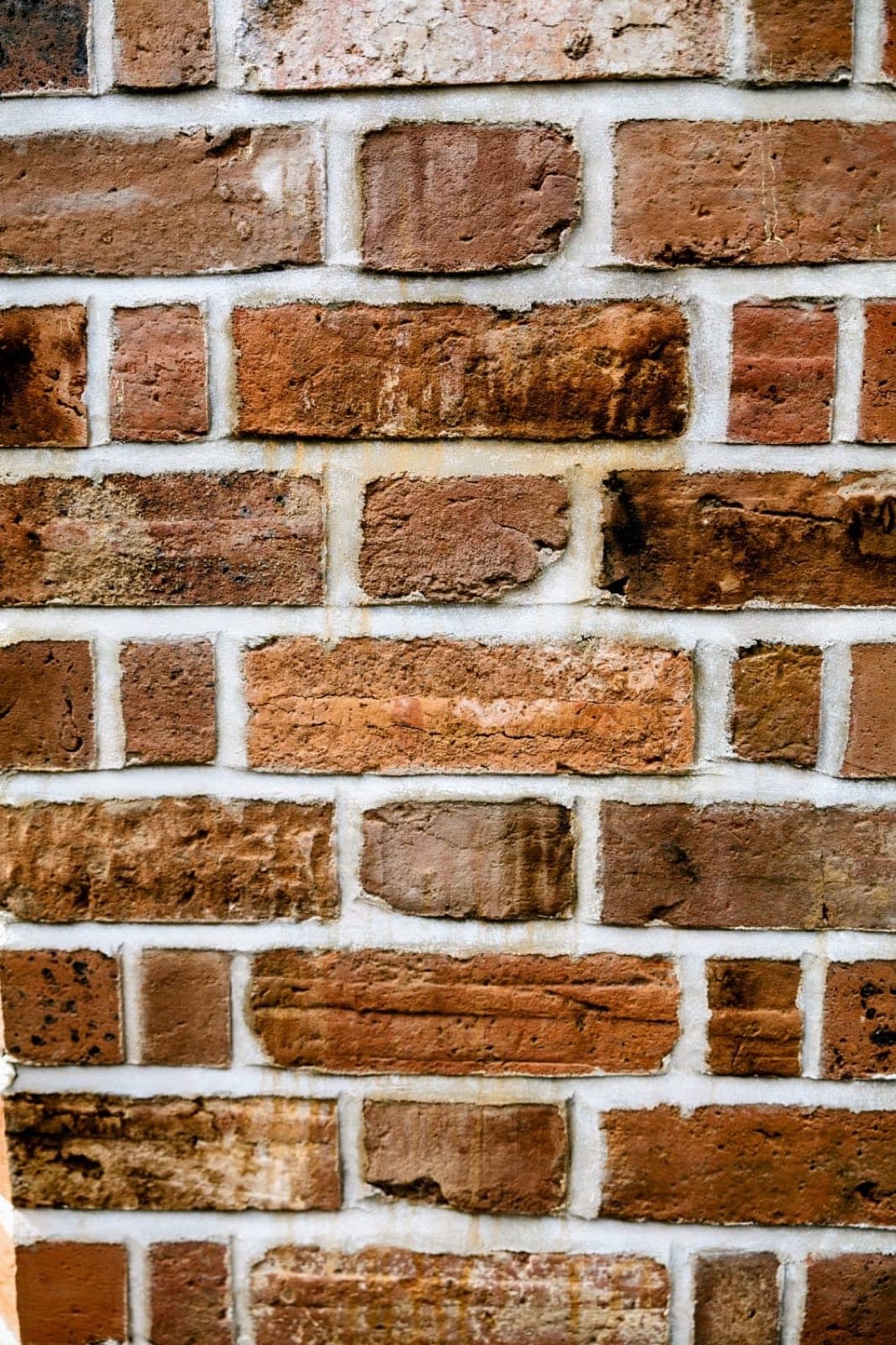
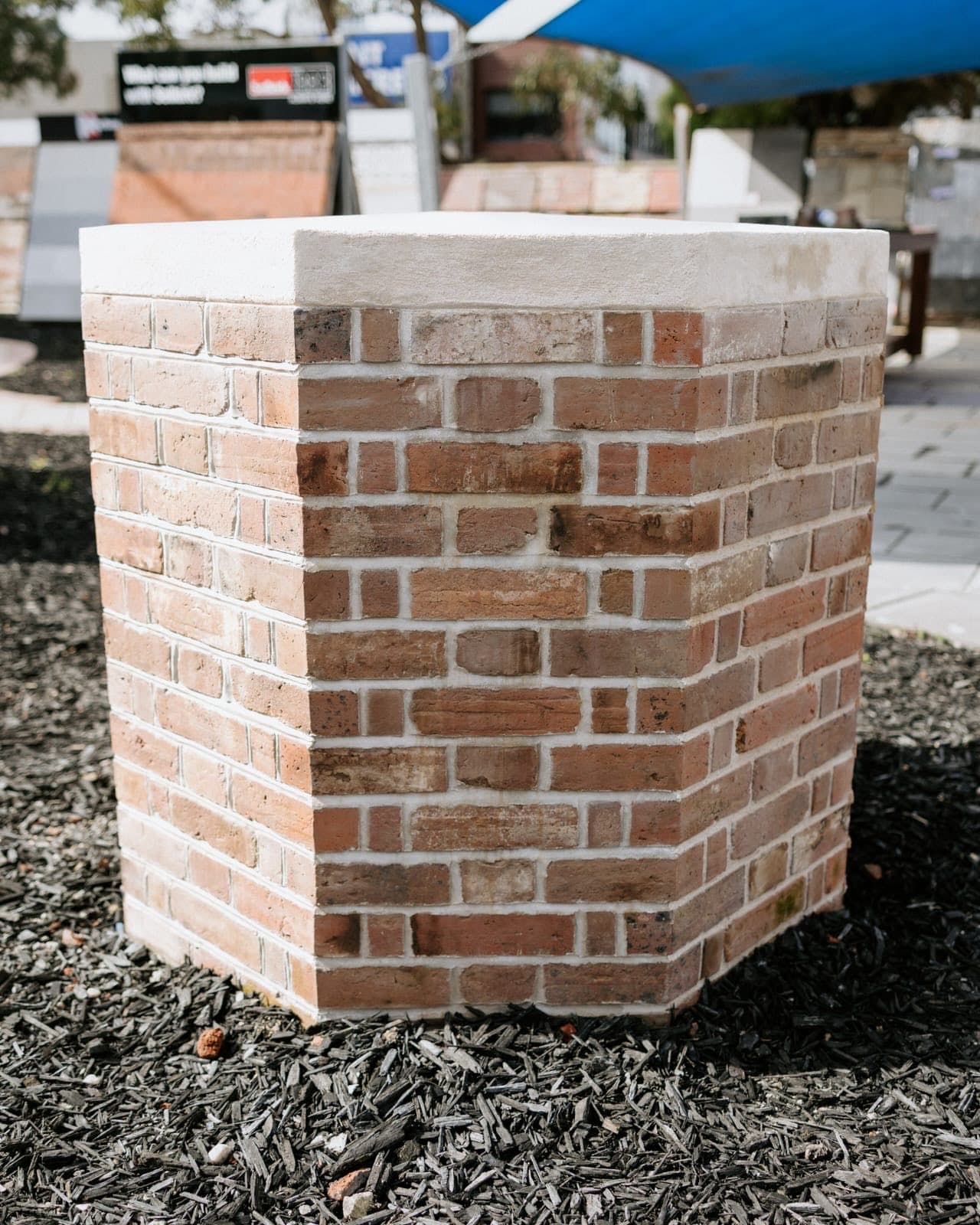
Pressed in at the top of the joint and left proud at the bottom, so water runs off the mortar instead of sitting on it. The workhorse profile for elevations that take the weather.
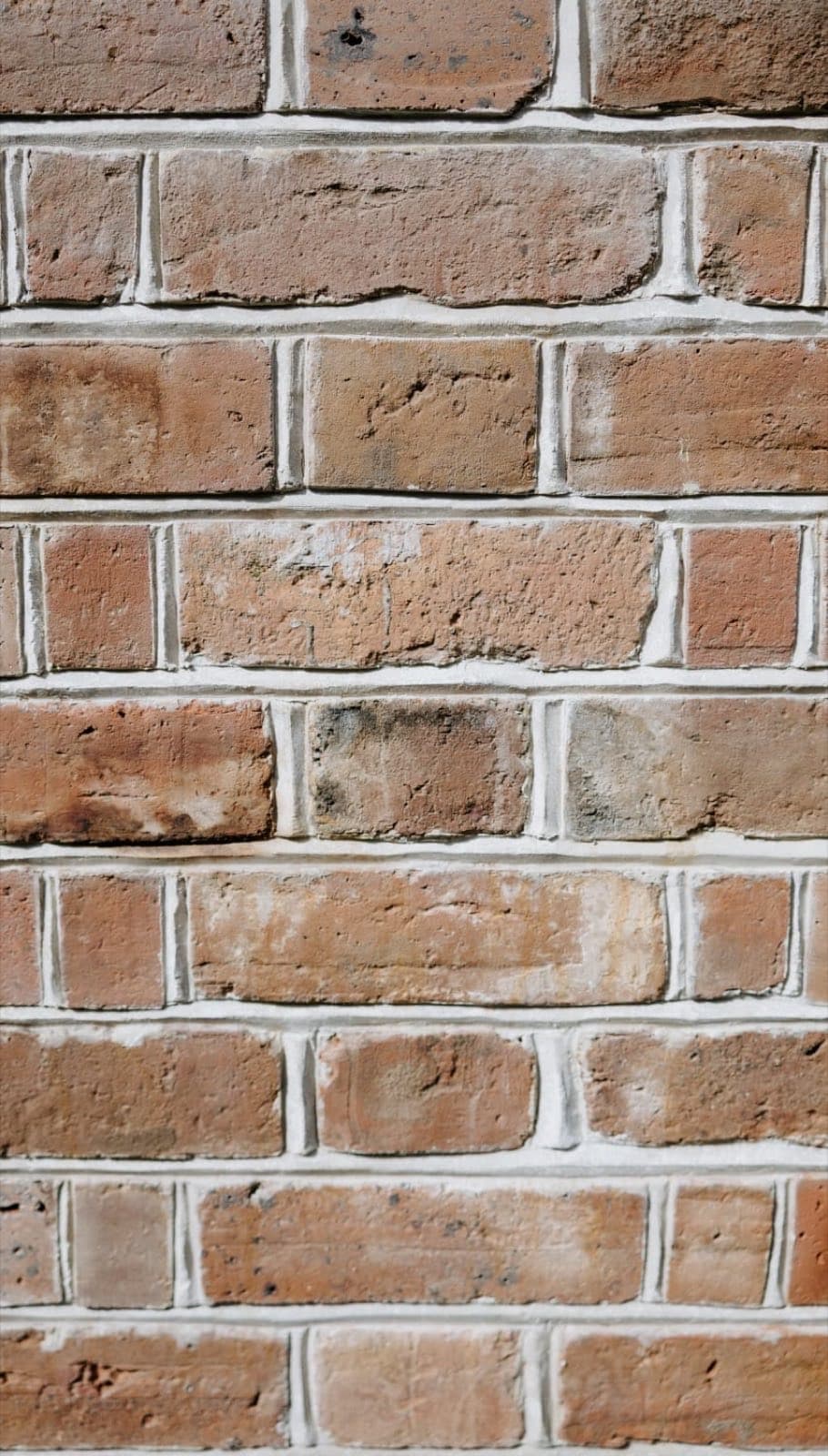
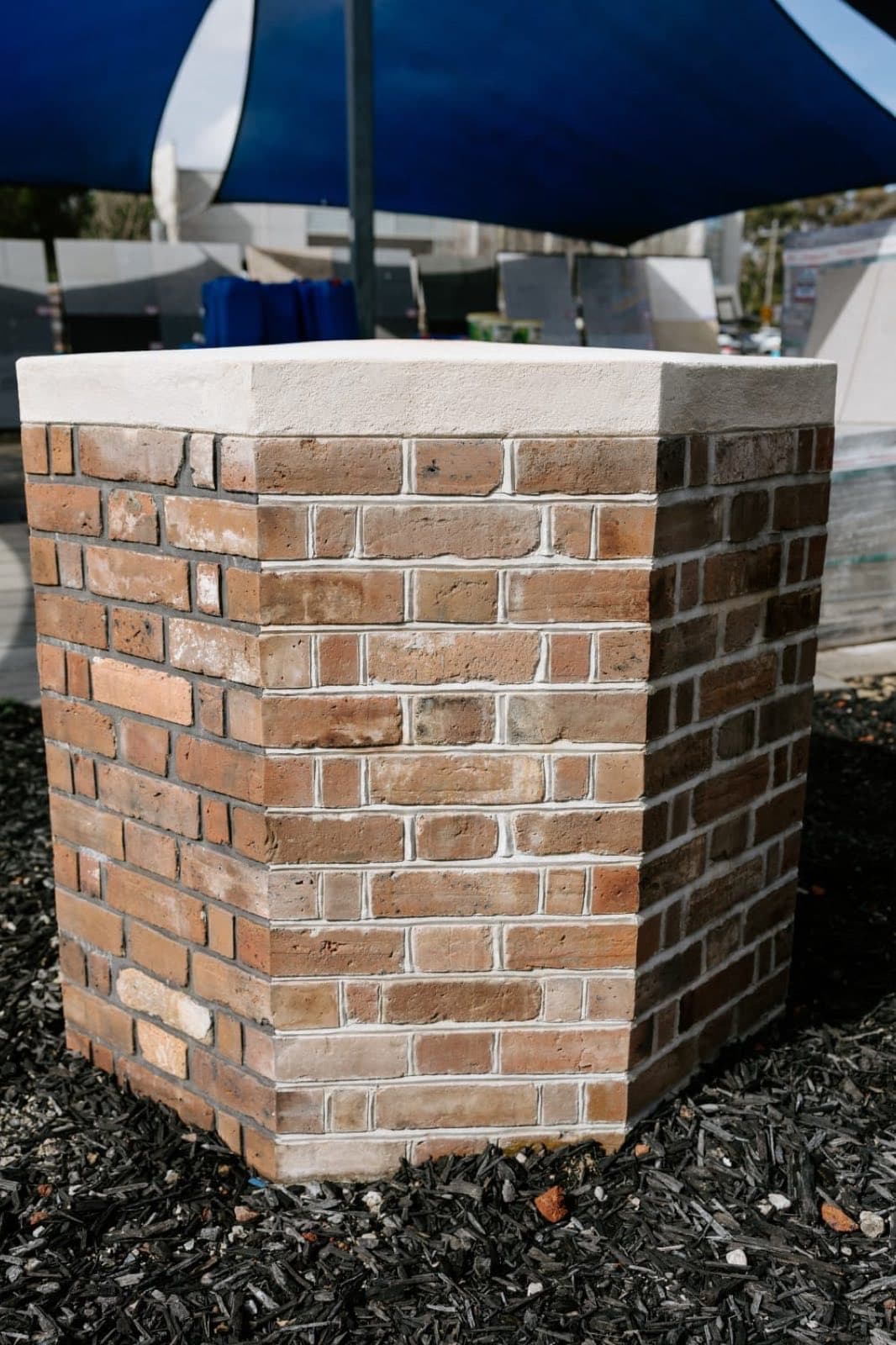
Struck back from both edges to a fine central ridge. It catches the light along every course and gives a wall a crisp, tailored shadow line.
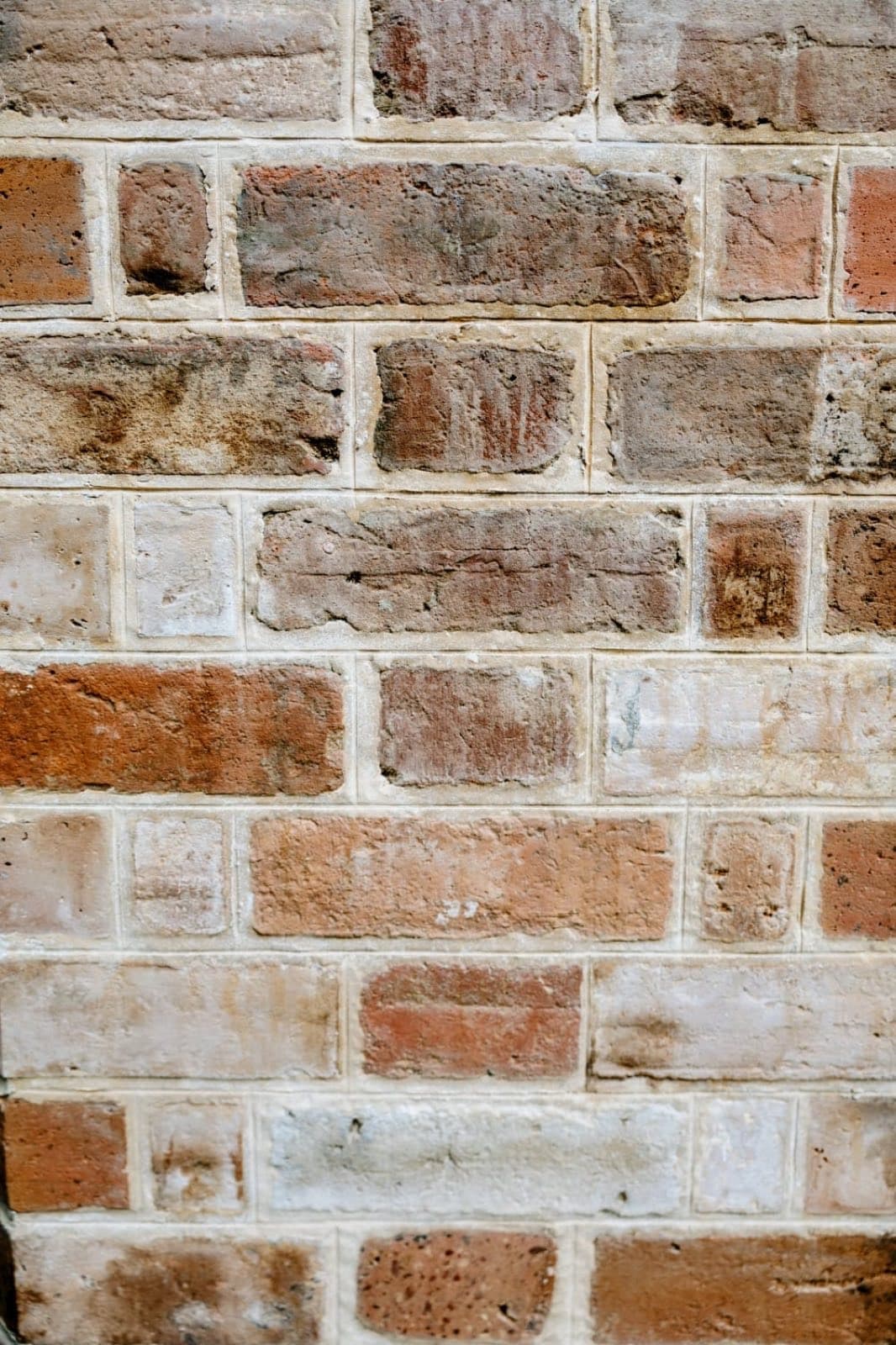
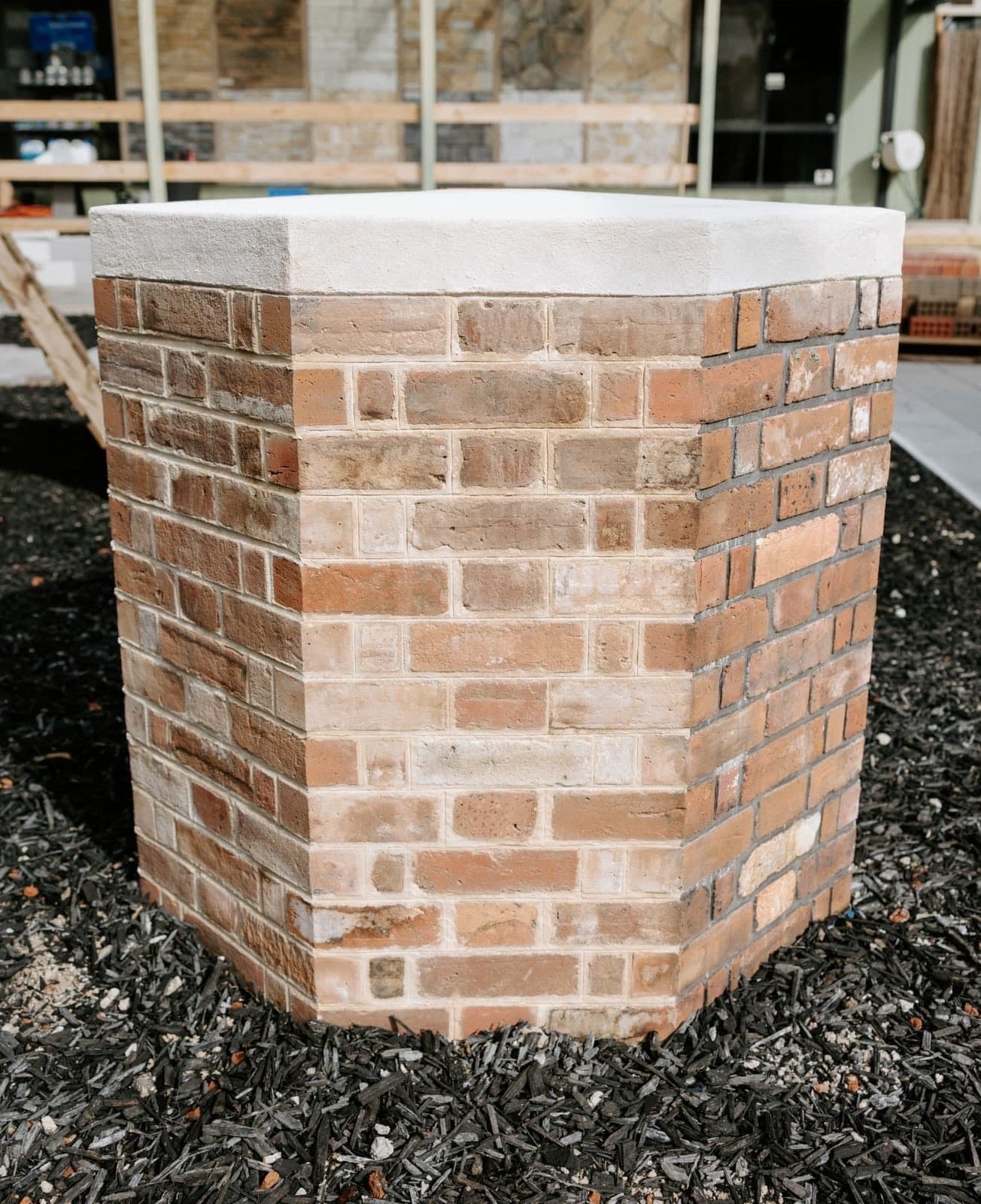
A narrow groove run down the centre of the joint with a penny-sized iron, leaving two rounded shoulders either side. A Victorian detail that rewards a close look.
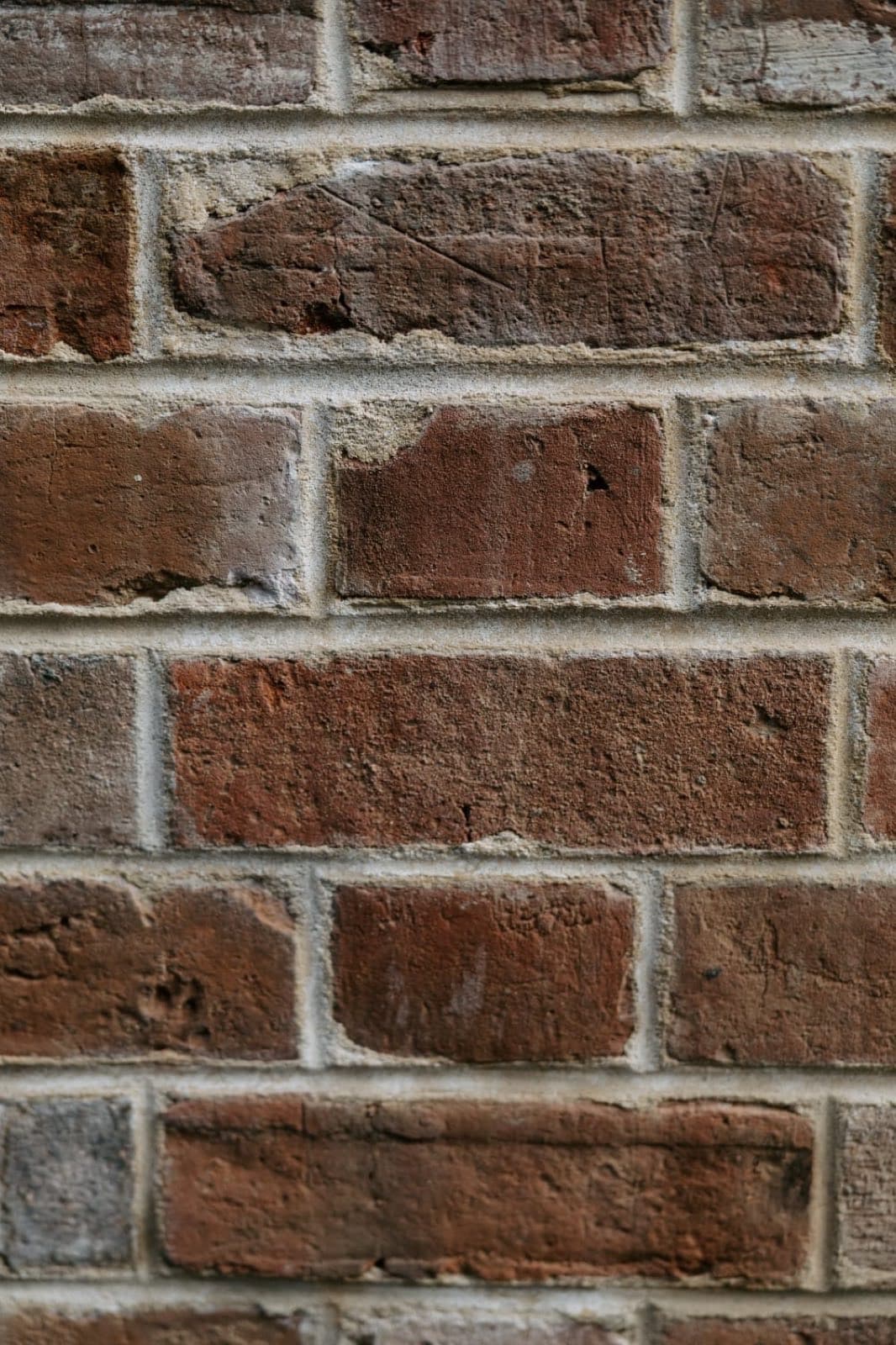
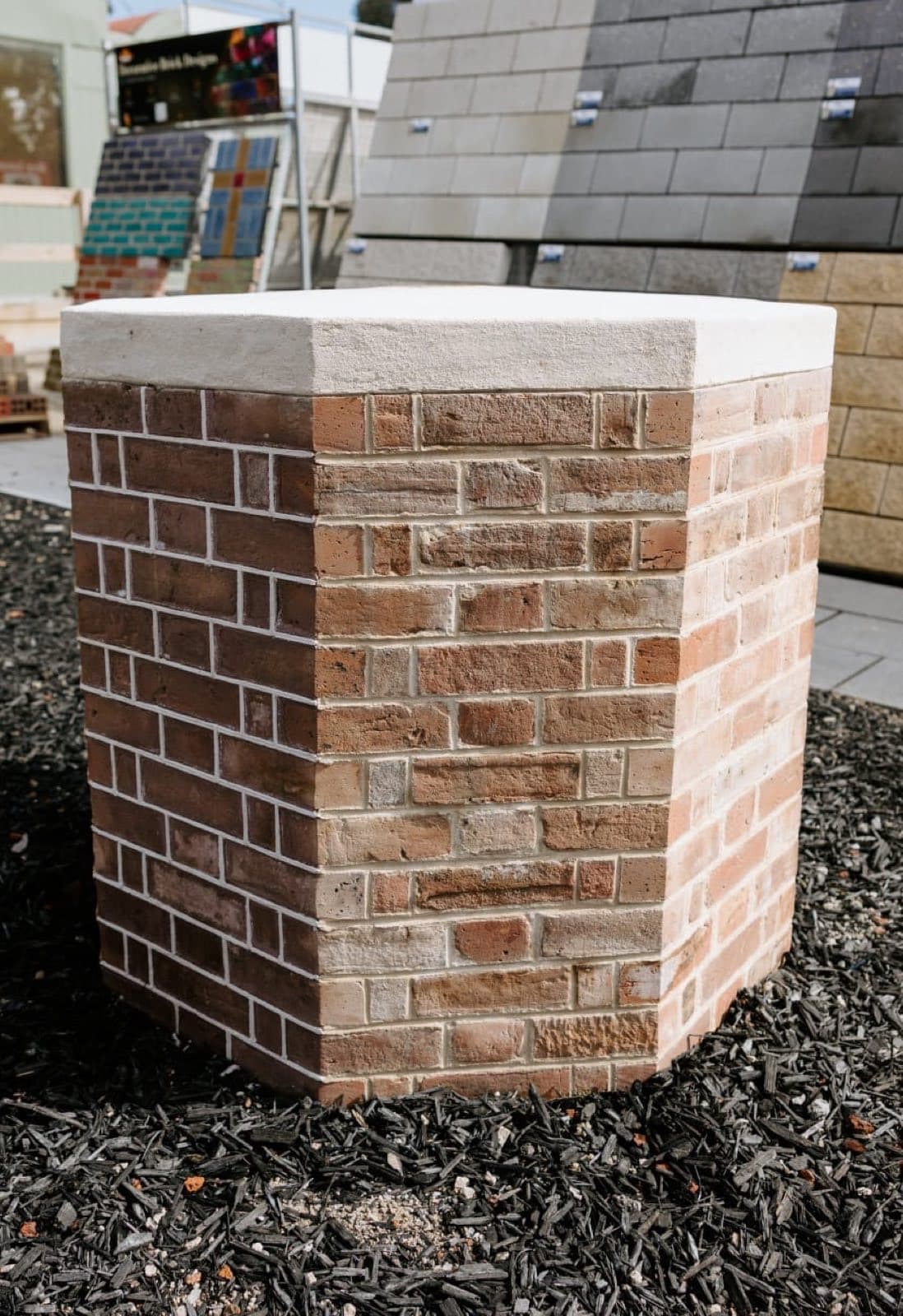
Compressed into a smooth concave curve with a jointing iron. Tight, weather-resistant, and forgiving of handmade brick that varies course to course.
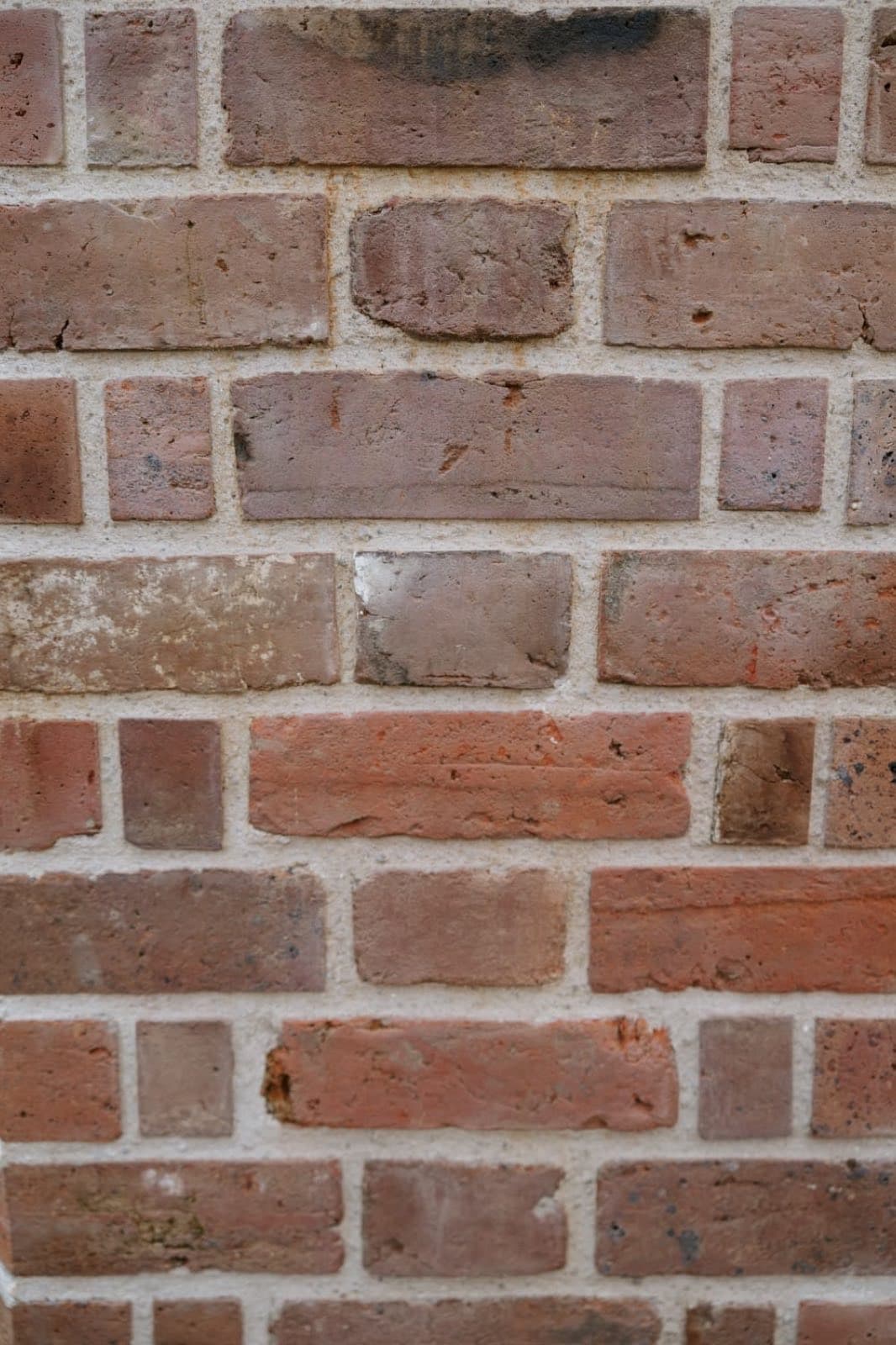
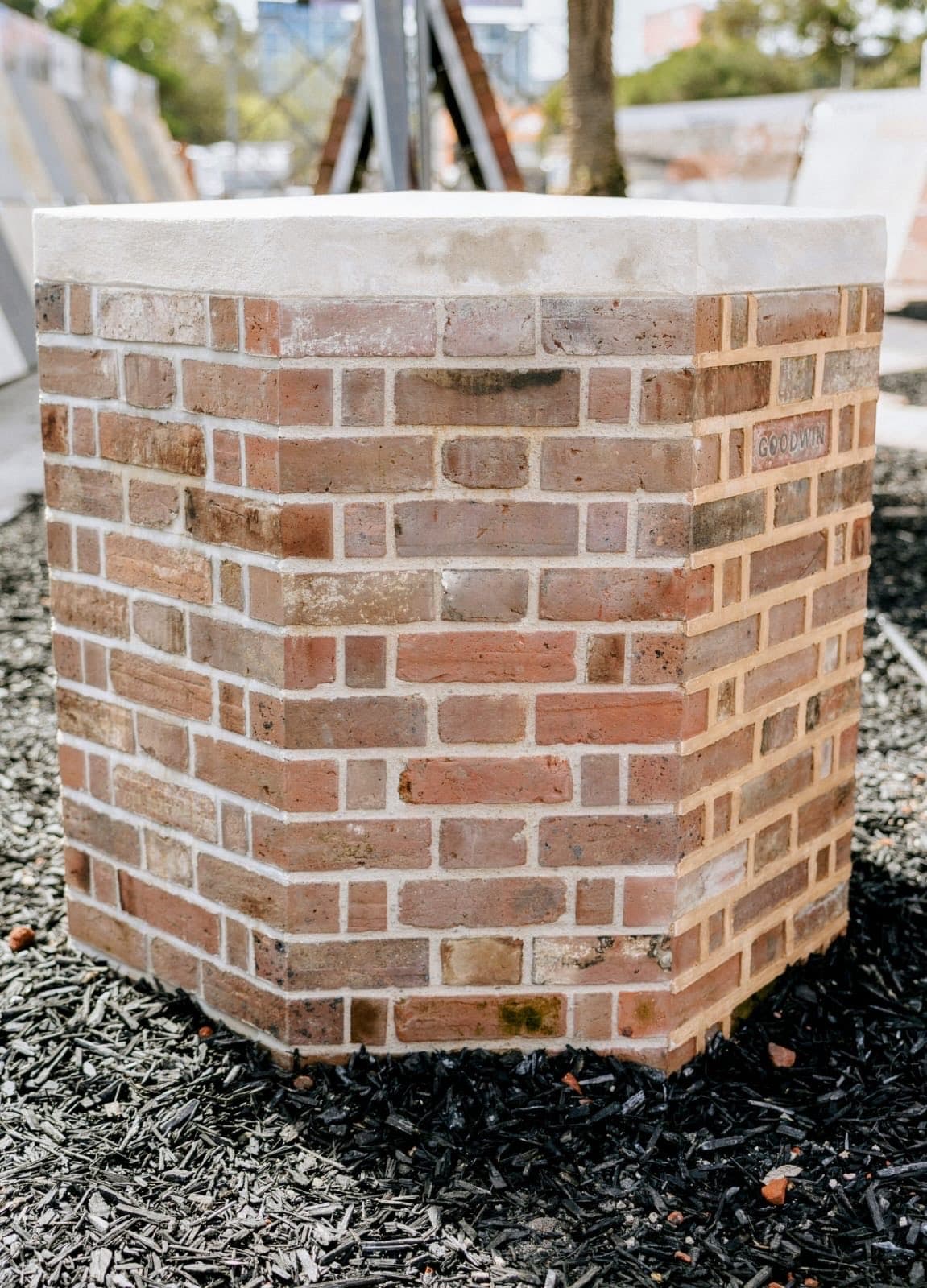
Lime mortar finished level with the brick face, or a whisker behind it. The quietest of the profiles: nothing competes with the brick, which is exactly why heritage work so often calls for it.
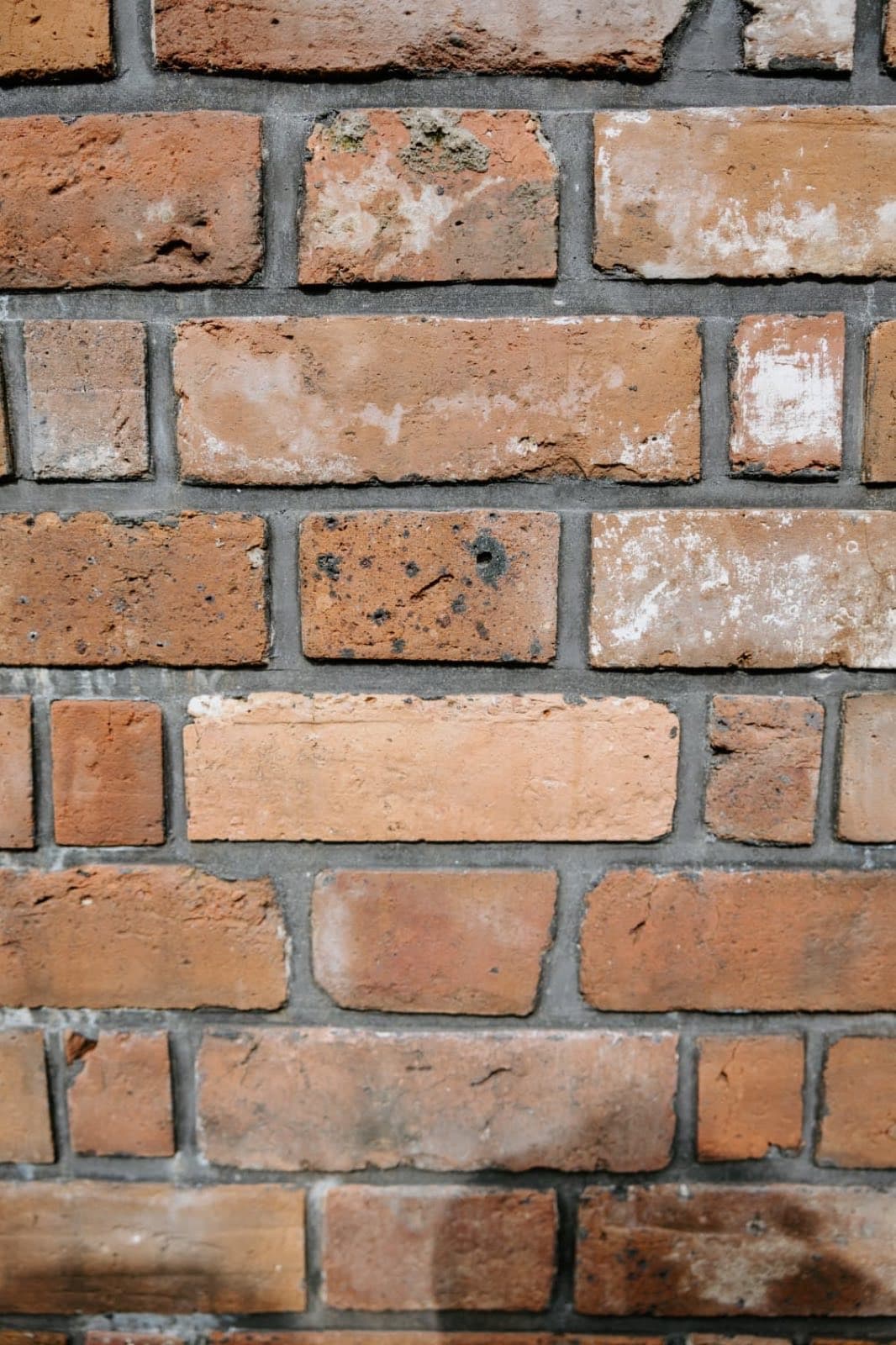
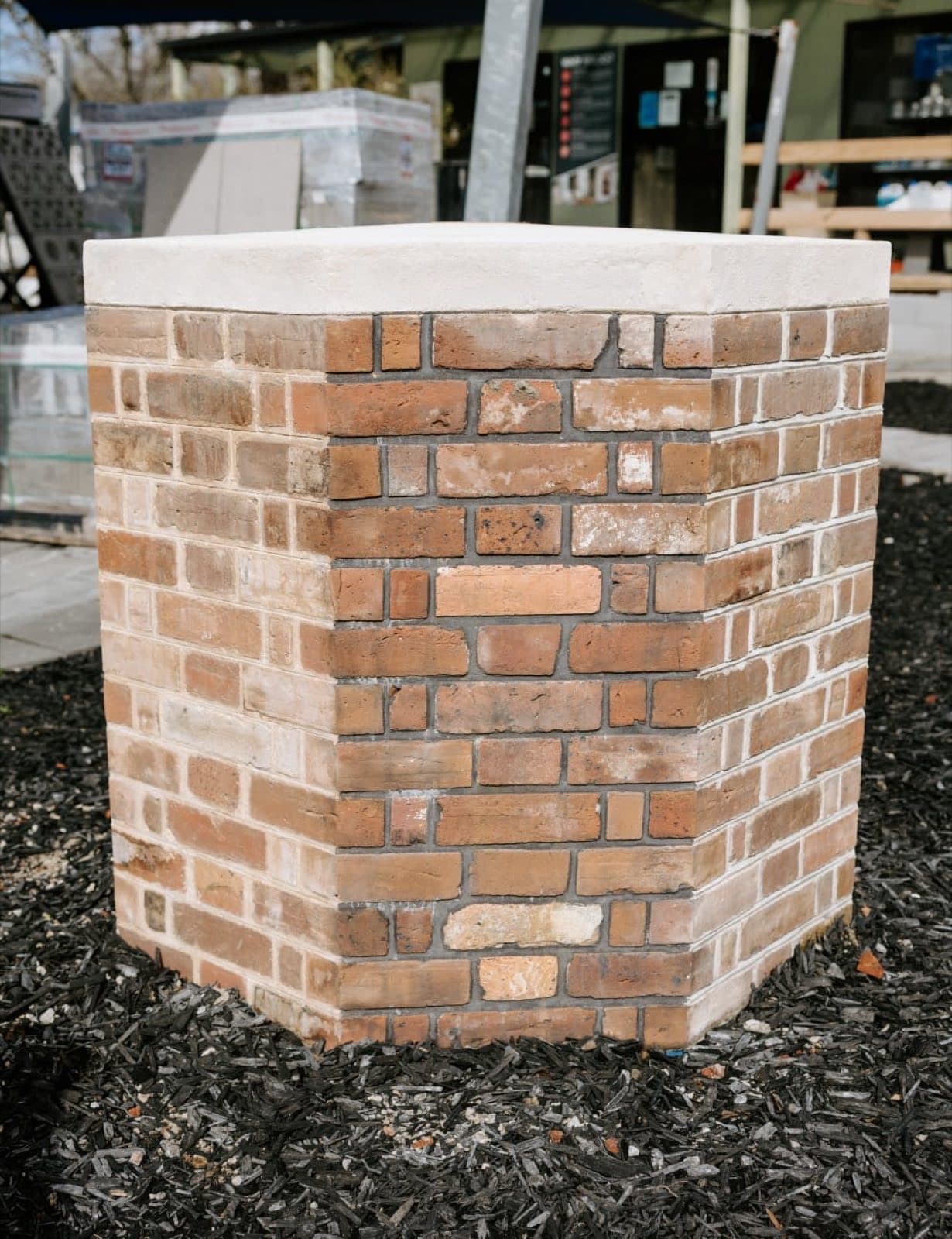
Raked back to a set depth so every brick reads as its own block. A deep shadow line, and the profile most often specified on contemporary architectural brickwork.
David will assess the condition of your existing work and advise on the right approach.
David booked the next day and fixed it so professionally. I really appreciate David's skills, reliability and reasonable price.
Dave was very responsive throughout all stages. The quality of his work was amazing. Fast, reasonably priced and highly accommodating. Would highly recommend, and will use on future projects.
No, they are different. Repointing is the process of replacing deteriorated mortar between bricks with fresh mortar. Tuck pointing is a more specialised technique where a coloured base mortar is applied flush with the brick face, and then a thin ribbon of contrasting mortar is pressed into a fine groove to give the appearance of very fine, precise joints. It is characteristic of high-quality Victorian and Edwardian brickwork.
If your home is Victorian or Edwardian and has decorative brickwork with very fine, raised mortar lines, it likely has original tuck pointing that may need restoration. David can assess the condition of your existing tuck pointing and advise on whether restoration or replacement is appropriate.
It depends on the age of the building, the brick itself, and how exposed the wall is. Period homes usually call for the profile the wall was built with, whether that is tuck pointing, a penny rolled joint, or flush lime pointing, so the repair reads as original. Exposed elevations are often better served by a weather struck joint that sheds water, while contemporary architectural brickwork is frequently specified raked for the shadow line. David will look at what is already there and tell you what actually suits the wall.
Yes. Colour and profile matching is a core part of the tuck pointing service. David works with specialist subcontractors who have the experience and materials to match original tuck pointing profiles and colours as closely as possible, ensuring the finished result is consistent with the existing work.
Tuck pointing in Camberwell, Hawthorn, Canterbury, Toorak, Glen Iris, Surrey Hills, Hawksburn, Richmond, Fitzroy, and surrounding inner Melbourne areas.
David will assess the condition of your existing tuck pointing and advise on whether restoration or replacement is appropriate. Get in touch for an honest assessment.